

What Judges Really Look for in Autoflower Competitions

Judging autoflowers is often misunderstood from the outside. Many assume it’s a simplified version of judging photoperiod cannabis, a shorter checklist applied to a faster plant. In reality, it’s almost the opposite. Autoflower judging requires a more precise lens, one shaped by biological limits, compressed timelines, and an understanding of how much discipline it takes to execute well when there’s no time to correct mistakes.
In competitions dedicated to autos, such as the American Autoflower Cup, judges aren’t asking whether a plant could pass as a photoperiod. That question stopped being useful years ago. Instead, they’re evaluating how effectively a grower navigated the autoflower lifecycle and how clearly the plant expresses what its genetics promised.
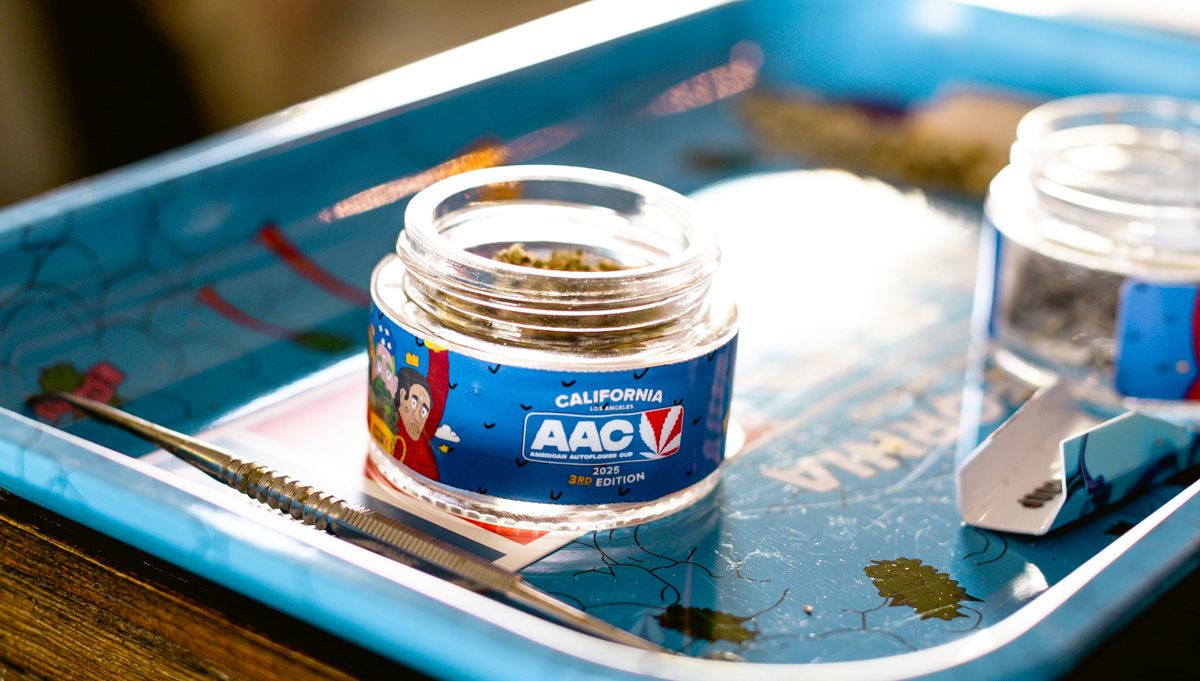
The first impression always comes from aroma. Terpenes are not treated as decoration; they are treated as structure. Judges look for clarity before intensity. A loud jar means little if the scent collapses into something muddled once opened. The strongest entries reveal themselves in layers, with defined notes that stay coherent rather than competing with each other. Balance matters as much as power, and authenticity matters more than exaggeration.
That sense of authenticity is something experienced judges recognize instantly. A profile that feels forced or artificially pushed rarely holds up under closer inspection. Autoflowers that score well tend to express aromas that feel natural to their lineage, refined rather than overstressed. This is where genetics and cultivation intersect, and where restraint often wins over excess.
Visual structure follows aroma closely. Autoflowers don’t offer long vegetative periods to shape plants gradually, so structure tells a story about early decisions. Judges look at calyx development, bud density, and overall architecture with an understanding of how difficult it is to achieve uniformity in a short window. Flowers that feel intentional rather than rushed suggest a grower who understood timing rather than fought it.
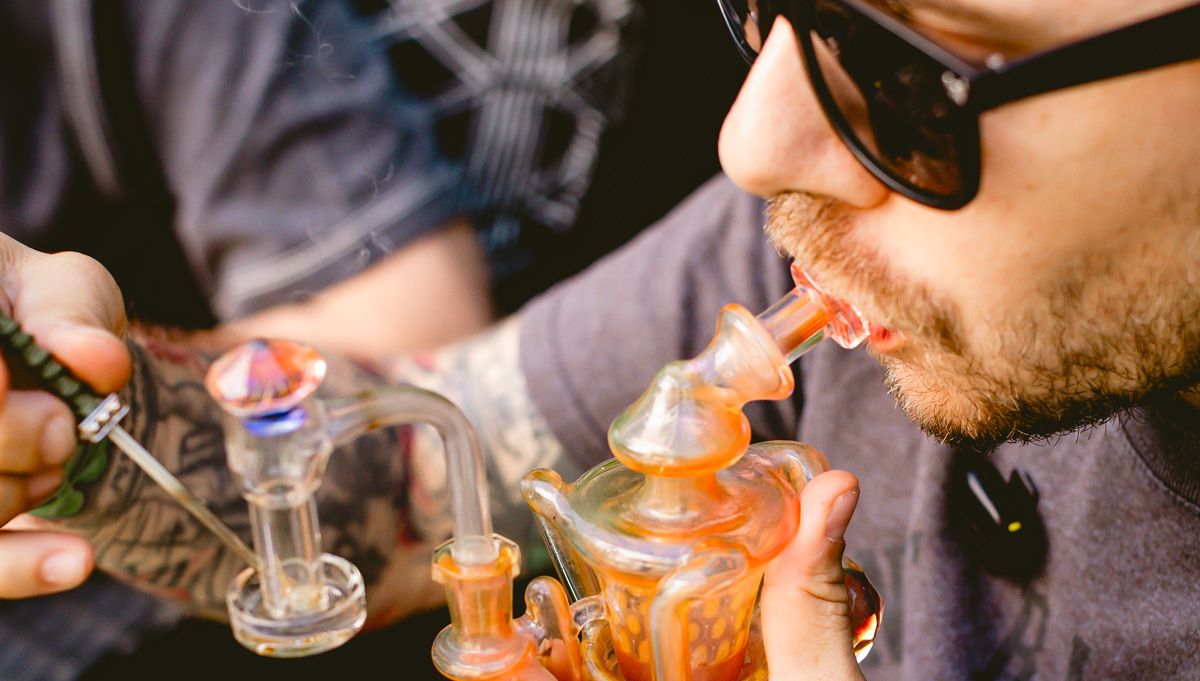
Resin quality plays a central role, especially as autoflowers have become increasingly relevant in solventless and hash contexts. Judges examine trichome coverage, head size, and integrity. Healthy resin has presence and texture. It looks alive rather than brittle or degraded. In hash-focused evaluations, the conversation goes even deeper, touching on melt, cleanliness, and how resin behaves under pressure.
Finish and cure quietly separate strong entries from exceptional ones. A rushed dry or an uneven cure can flatten even the best genetics. Judges pay close attention to moisture balance, burn quality, and how aromas open once the flower is broken down. A clean burn and a full aroma release signal patience and control, qualities that are especially difficult to maintain with autos.
Consistency is another factor that often goes unnoticed by casual observers. Judges value entries that feel reproducible rather than accidental. Autoflowers that present a clear, stable expression suggest maturity in breeding and cultivation. Competitions aren’t just about rewarding one perfect plant; they’re about highlighting standards that can realistically be achieved again.
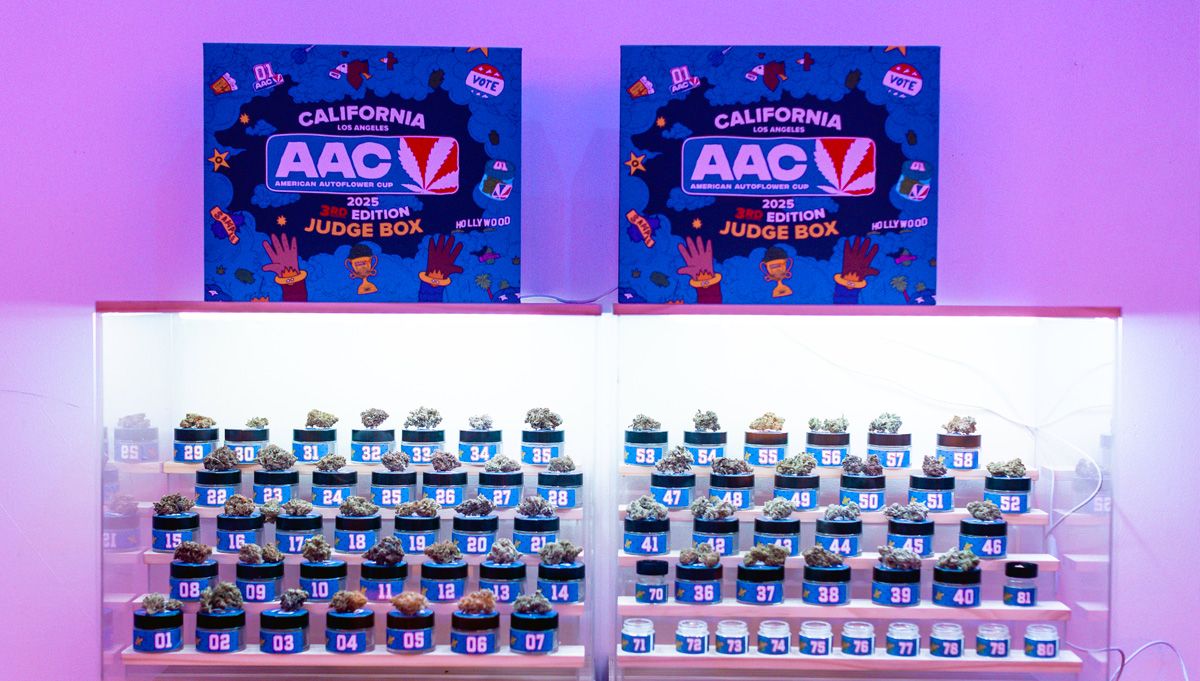
Ultimately, judges are evaluating execution. Within a fixed lifecycle, how well did the grower manage environment, feeding, stress, harvest timing, and post-harvest care? Autoflowers reward precision, and judging reflects that reality. The best entries don’t feel pushed. They feel resolved.
This approach has reshaped how autoflower excellence is defined. Instead of measuring autos against borrowed expectations, competitions built around them allow quality to speak in its own language. That shift has elevated the category and clarified what judges are really looking for: control, expression, and intention, compressed into a plant that leaves no room for error.
Are you already familiar with autoflowers level? Or are you among the new growmies to the field? Either way, you are invited to attend the Awards Ceremony taking place on January 31st at Be True LA. Tickets here!

Comments