

Why Autoflowers Don’t Forgive Early Mistakes

Autoflowers are often described as easy, but that description only tells half the story. They are simple in structure, yes, but they are not forgiving in execution. Their short, predetermined lifecycle magnifies early decisions in a way few other plants do. What happens in the first weeks doesn’t just influence the outcome. It defines it.
The key difference lies in how autoflowers move through time. Unlike photoperiod plants, they do not wait for cues from light schedules to transition into flower. They operate on an internal clock. When that clock says it’s time to flower, they move forward whether the plant is ready or not. This single trait changes how mistakes behave.
There is no extended recovery period. No opportunity to add extra weeks of vegetative growth to compensate for stress. Early missteps don’t fade. They follow the plant all the way to harvest.
This is why stress during the seedling and early vegetative stages carries so much weight. Overwatering, compacted or underdeveloped roots, nutrient burn, unstable temperatures, inconsistent lighting, or even too much handling can quietly reduce the plant’s final potential. Autoflowers may continue growing, but they do so within a smaller framework. The ceiling drops, and nothing later in the cycle can raise it again.
Experienced growers understand this intuitively. They treat the first twenty to twenty-five days as the most important phase of the entire grow. This is the period when structure is built and roots establish their reach. A healthy root system during this window determines how efficiently the plant can absorb nutrients, manage water, and support flower development later on. Strong roots allow the plant to express its genetics fully. Weak roots force compromise.
One of the most common early mistakes is impatience. Autoflowers tempt growers to intervene too often because progress feels fast. New growers, especially, are inclined to push growth early with heavier feeding, frequent adjustments, or aggressive training. In most cases, this backfires. Autoflowers respond far better to stability than to intensity. They don’t need to be pushed. They need to be protected.

Nutrition illustrates this clearly. Autoflowers do not require heavy feeding early on, and excess nitrogen in the first weeks often creates long-term imbalance. Plants may appear lush at first, but later struggle to develop aroma, resin, or proper flower structure. Growers who consistently produce high-quality autos feed gently at the start, increase slowly, and let the plant signal what it needs rather than forcing a schedule onto it.
Environmental consistency matters just as much. Autoflowers are sensitive to fluctuations, particularly early in life. Sudden temperature drops, poor airflow, or uneven light distribution can stall growth without producing dramatic warning signs. The effects surface later, when the plant enters flower with less mass, weaker structure, or muted expression. By that point, the cause is already weeks in the past.
This reality shapes how top-tier autoflowers are grown. Training, if used at all, is minimal and precise. Low-stress methods are favored, and only when the plant shows clear strength. There is no room for experimentation once the clock is running. Every action has to respect the plant’s pace rather than challenge it.

Feeding strategies follow the same philosophy. Instead of chasing rapid early growth, experienced growers aim for uninterrupted development. Consistency becomes the goal. Autoflowers reward calm hands and steady conditions. They punish overreaction.
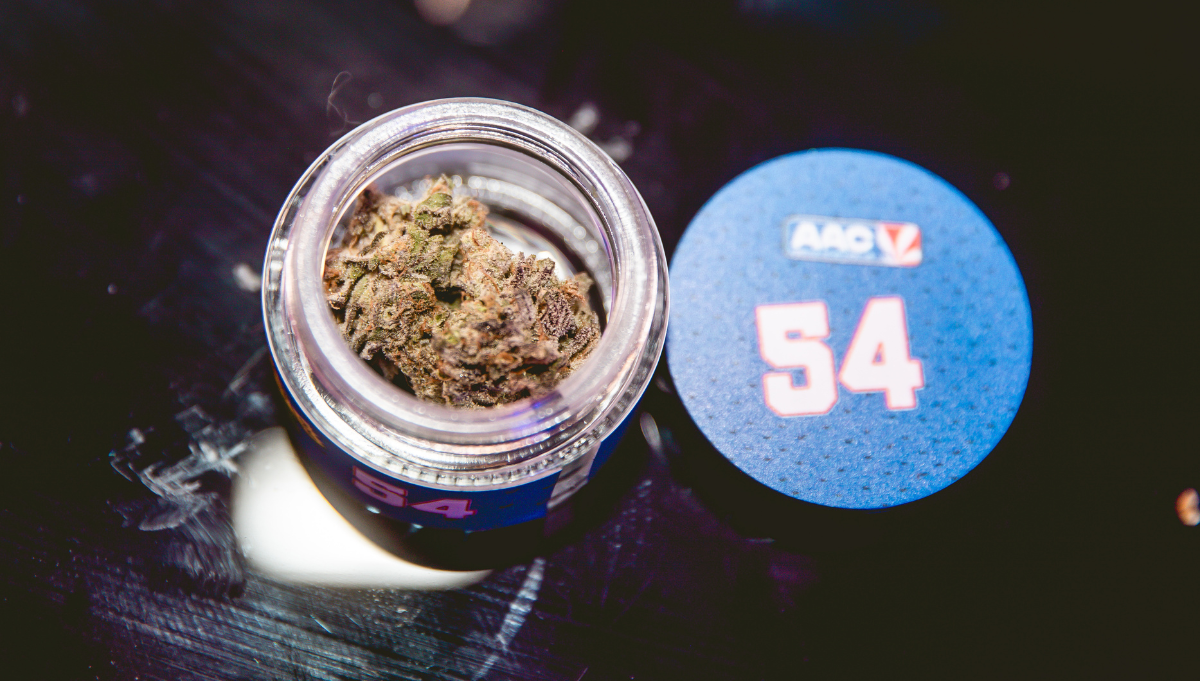
You can see this pattern clearly when looking at winning entries in competitions dedicated to autos, including the American Autoflower Cup. The plants that stand out rarely show signs of early struggle. They don’t look rushed or overworked. Their structure feels resolved, their flowers balanced, their aroma complete. That sense of calm isn’t accidental. It reflects decisions made when the plant was still small, long before flower development became visible.
Judges often recognize early stress without being told. Uneven bud formation, lack of depth in aroma, or a feeling that the plant never quite filled out usually traces back to problems in the opening weeks. Even exceptional genetics can only do so much when the foundation is compromised.

For many growers, understanding this marks a turning point. Autoflowers don’t fail because they are fragile. They fail because they are honest. They give you exactly what you allow them to build. There is no illusion of recovery. No borrowed time. Just cause and effect, compressed into a shorter cycle.
Growers who succeed with autoflowers don’t fight that reality. They work with it. They slow down at the beginning, knowing that patience early creates freedom later. They accept that autos don’t forgive mistakes, but they also recognize that autos reward care generously when it’s applied at the right moment.
In the end, autoflowers don’t demand perfection. They demand respect for timing. Treat them well from the start, and they will carry that momentum all the way through harvest. Ignore their limits early, and they will remind you quietly, when there’s nothing left to fix.
That understanding is what separates average autoflowers from exceptional ones. Ready to compete? Registration is still open on our website here.

Comments