

How Autoflowers Evolved in 5 Years: THC, Terps and Trends
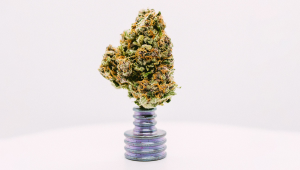
Five years is a short window in plant breeding, yet the autoflower category has changed more in that span than in the two decades before it. The plant that used to be a compromise, grown for speed and nothing else, now competes with the best photoperiods on potency, flavor, and extract quality. The last five years show how fast a plant’s reputation can flip once its genetics catch up. The category moved from fast and cheap to fast and good.
From 20% ceiling to mid-20s floor
The clearest change is potency. A top autoflower five years ago celebrated breaking 20% Total THC. Today that is the floor for a serious strain. At the 2026 American Autoflower Cup, average tested potency ran near 26% with quite a few entries over 30%.
The ranked list of every American Autoflower Cup winner since 2023 puts the 2026 high at 33.88% Total THC, set by 505 Headbanger from Mephisto Genetics, the latest mark in a climbing autoflower THC record.
That jump came from breeding, not marketing. It is autoflower genetics evolution at work: every generation pushed elite photoperiod cannabinoid production deeper into autoflower lines while keeping the automatic flowering trait intact. The potency gap with photoperiods, once ten points or more, has shrunk to a narrow edge at the very top.
Those numbers only mean something read correctly. A blind competition quotes Total THC from one real harvest, the honest figure after THCA converts under heat, which is why a tested 25% auto is a bigger deal than a 30% marketing claim.
How autoflower terpenes got loud
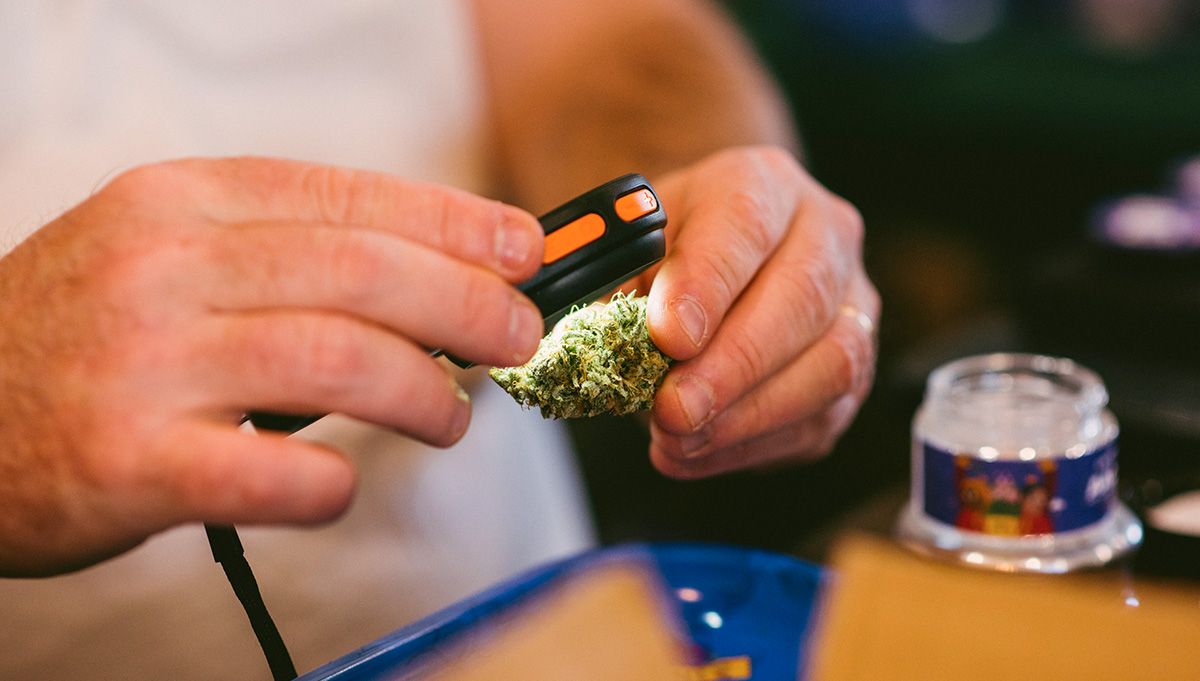
Potency grabs attention, but the terpene story is the one growers feel. Early autoflowers often smelled faint and generic. The last five years turned aroma into a selling point, with breeders selecting hard for loud, specific profiles instead of settling for whatever came through.
Modern autos now post terpene totals above 2%, the same mark that signals a strong, flavorful photoperiod. The flavors also got deliberate, with gas, candy, fruit and funk bred on purpose. When judges ranked which autoflowers actually deliver on terpenes, the fight was over depth and how well an aroma survived from jar to grinder to smoke, a problem that would have sounded absurd for an autoflower a decade ago.
Autoflower trends that defined the stretch
Beyond raw numbers, a few clear movements shaped the category.
- Designer flavor started to beat pure THC. The chase for the single highest number cooled, and growers and judges began prizing a complete profile, where smell, taste, and effect all land, over a strain that tests high and smokes harsh. It is the shift that made 2026 the year of purple, black and candy-coated resin.
- Solventless went from novelty to its own category The Cup added a Best Auto Hash class in 2025, and in 2026 the top rosin score went to Fast Buds' Apricot Auto, washed from fresh frozen. As home hash washing grew, breeders began selecting autoflowers for resin quality and trichome density, not just flower weight
- Life cycles got faster and tighter. Finishing times steadied around 70 to 90 days from seed, with more uniform plants, which made autos viable for consistent, repeatable harvests rather than one-off experiments.
- Stability became a feature. Breeders marketed phenotype consistency, because growers wanted a tent of similar plants they could treat the same way.
Then and now, measured
The shift is easier to see side by side.
| Trait | 5 years ago | Now |
| Top-shelf Total THC | around 20% | -mid-20s floor, tops over 30% |
| Terpene totals | often under 1.5% | above 2% on loud strains |
| Flavor goal | generic, secondary | designer profiles bred on purpose |
| Extract use | rare for autos | rosin-ready lines common |
| Phenotype consistency | variable | stable, uniform, marketed |
Every row points the same way. The autoflower stopped being the lesser option and became a real first choice.
How the scoreboard sped things up
Breeding improves faster when results are public and comparable. Blind competitions put autoflowers from different breeders through the same lab and the same panel, which created a shared scoreboard. A breeder could no longer lean on its own packaging claims, because an independent result either backed them up or did not.
That proving ground keeps growing. The2026 Cup counted 75 flower entries and 19 hash entries, with average tested potency around 26%. Five years of that feedback loop is a big part of why the category leveled up so quickly.
Where the category heads next
The autoflower trends taking shape for 2027 point toward refinement rather than another potency leap. Expect terpene profiles to get more specific and solventless-focused lines to keep expanding. Finishing times should tighten further without sacrificing yield. The newest frontier is triploid autoflowers, seedless lines a few breeders are already selling, though the potency and yield gains stay unproven for now. The novelty phase is over. The autoflower is now judged by the same standard as anything else in the jar, and increasingly it holds up.
Five years, in short
Five years turned the autoflower from a speed compromise into a genuine top shelf. Total THC climbed from a 20% milestone to a mid-20s floor, the best 2026 entries cleared 30%, and 505 Headbanger from Mephisto Genetics set the record at 33.88%. That closes most of the old gap with photoperiods, and the lab data on how the two compare now backs it up. Terpenes that once read faint now cross 2% with flavors bred on purpose, and the same genetics wash into clean rosin, something nobody asked of an auto a decade ago. Plants finish in 70 to 90 days, and they finish uniform. Blind, lab-backed competition is what proved all of it, strain by strain.
Want to taste where the category stands now? Get tickets to the next American Autoflower Cup.

Comments