

How Judges Score Your Entry: Inside the AAC Scoring System

Before a single judge smells your flower, your entry goes through the lab. That order tells you a lot about how cannabis cups are judged at the American Autoflower Cup. A high THC number won't carry a weak entry, and a good-looking bud won't carry one either. Cannabis cup scoring at the AAC runs on two tracks, a lab reading and a blind panel, and you grow a better entry once you understand how both work.
The lab reading
Every entry goes through third-party lab testing. The lab measures your flower’s cannabinoid content, the THC and CBD numbers behind the figures on the winners pages.
Those readings also feed the separate Highest THC category, which is judged on the lab number alone. The numbers run high. The Highest THC winner at the 2026 Cup tested at 33.88%, and the wider 2026 field averaged around 26%, with several strains clearing 30%. That climb is the clearest sign of how far autoflower genetics have come in a few short seasons. Even so, the lab number is one category out of many, and it decides only that one. A record THC reading and a poor smoke still leave you out of the overall running.
The blind table: five cannabis judging criteria explained
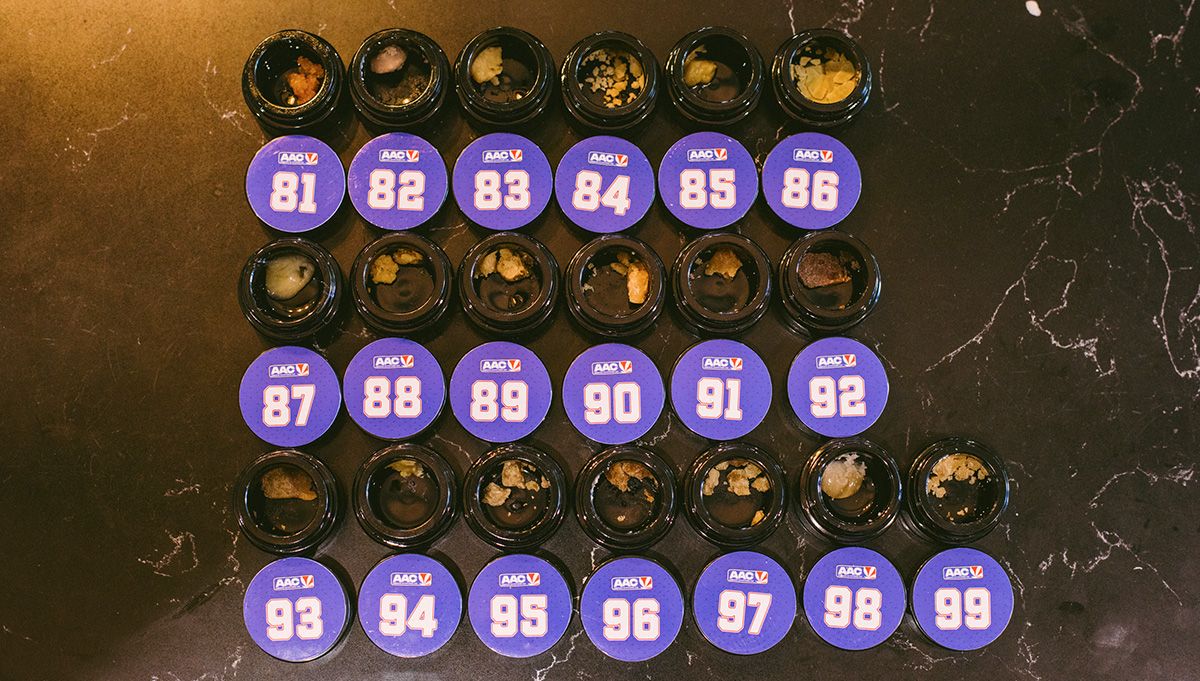
Entries that pass the lab go to the judges blind, labeled by code instead of name so no breeder gets a head start on reputation. The panel is made up of professional judges from the cannabis industry, and they score each entry against five criteria.
Appearance
Judges look for striking, well-manicured, seedless buds. Resin production helps; any sign of mold, disease, or pests hurts. A clean trim and a healthy harvest show up most here.
Aroma
Judges want a strong, consistent scent with clear terpene character. A loud, specific profile scores better than a faint or muddled one.
Taste
Flavor should match the aroma and be easy to place. A strain that smells like gas or candy and then tastes like neither loses ground here.
Effects
The effect should come through clearly, whether it leans energetic or relaxing. Vague or flat effects score lower than a defined one.
Overall smoking experience
The last area is how the flower smokes overall, from jar to grind to draw. This is where curing shows: a harsh smoke drags the score down even when the genetics are strong, so careful drying and a proper cure earn real points.
Turning impressions into a number
Each judge scores an entry across the five criteria, and those scores combine into a point total. The scale moves year to year, so the raw number means little on its own. In 2025 the Best Auto Hybrid winner totaled 262, and the rest of the top six landed between 228 and 252. The 2026 Cup ran on a tighter scale: the Best Overall Auto winner scored 55.33. Across both years, the winning entries scored well on every criterion instead of leaning on one high number to carry a weak one. A flat taste or a harsh smoke can sink a jar that scores well everywhere else.
| Stage | What it checks | Effect on your entry |
| Lab test | Cannabinoid reading (THC/CBD) | Feeds the Highest THC category |
| Panel | Appearance | Points for trim, resin, health |
| Panel | Aroma | Points for loud, specific terpenes |
| Panel | Taste | Points when flavor matches aroma |
| Panel | Effects | Points for a clear, defined effect |
| Panel | Overall smoking experience | Points for a clean, smooth smoke |
One jar, every flower category
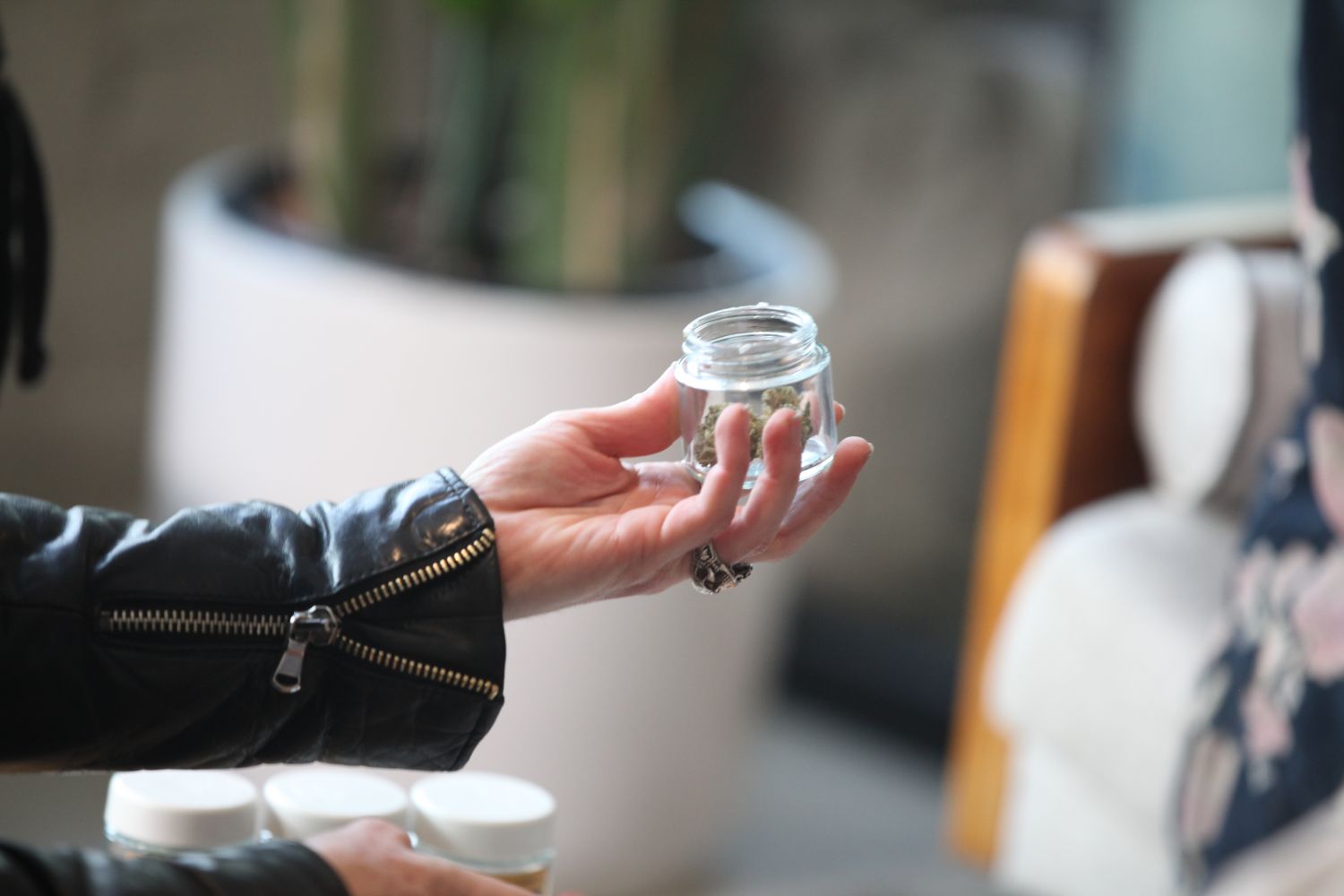
A single flower entry is judged across all the major flower categories, so you don’t need a separate entry for each. One strong jar can place for Best Overall Auto, Best Terps, Best Smoking, and Best Look at once, while Best Auto Hash covers concentrates and Best Auto Breeder is decided by a vote instead of the panel. That structure rewards a complete flower, since the same jar is being read for look, smell, flavor and smoke all at once. You can see how that spread across the 2026 winners on the results page
Growing an entry that scores
Score where the points are. Grow clean, so you clear the lab.
Dry and cure with care so the smoke is smooth and the terpenes survive. Trim tight so the appearance holds up under a judge’s eye. Aim for a complete entry, because the scoring rewards a flower that is good across all five panel areas over one that spikes on potency and falls flat on taste.
Potency gets the headlines through the Highest THC category, but the overall winner is almost always the most well-rounded jar in the room, so build for that. The jar that wins usually has no weak spot for a judge to mark down, even if it isn’t the strongest on paper.
What entrants ask before submitting
How are cannabis cups judged at the AAC? A third-party lab records each entry's cannabinoid levels, the THC and CBD readings, and the THC figure feeds the Highest THC category. Then a blind panel scores every entry on appearance, aroma, taste, effects, and overall smoking experience.
What does the lab test measure? Your flower's cannabinoid content: the THC and CBD readings. The THC number feeds the Highest THC category, which is scored on that figure alone, separate from the panel's work
Does the highest THC win the cup? No. Highest THC is its own lab-based category. The overall winner is decided by the panel across all five scoring areas, so a complete, well-cured flower beats a high number that smokes poorly.
Ready to put your genetics in front of the panel? Register to win.

Comments