
How Autoflowers Are Rewriting the Hash Conversation
Autoflowers began with humble origins. Early Lowryder generations were valued more for speed and stealth than quality. They were convenient. They were accessible. They were not, however, considered material for serious craft cannabis. Photoperiod cultivars dominated the quality conversation, especially when it came to hash. Yield, trichome size, resin structure, and washability were all points where autoflowers lagged behind.
But autoflower breeders were relentless. By combining ruderalis traits with increasingly sophisticated photoperiod genetics, they pushed stability, potency, and terpene development further each generation. Over the past decade, autoflowers have transformed into vigorous plants with complex terp profiles and resin that no longer collapses under scrutiny.
This rapid genetic progress is why the American Autoflower Cup has grown into a significant cultural and technical event, a yearly marker of how fast the category is evolving and how confidently it now stands beside traditional photoperiod work.
The Hash Turning Point
For years, hashmakers largely dismissed autos. Resin maturity wasn’t consistent. Trichome structure wasn’t ideal. And the assumption held: autos just aren’t for hash.
That changed in 2025. The introduction of the Best Auto Hash category at the American Autoflower Cup marked a turning point.
When Derek San Miguel took home the award with Orange Sherbet Auto, created by Fast Buds, it wasn’t just a victory for one maker or one genetic line. It was a statement: autoflowers can produce hash with personality, depth, and craft-quality resin.
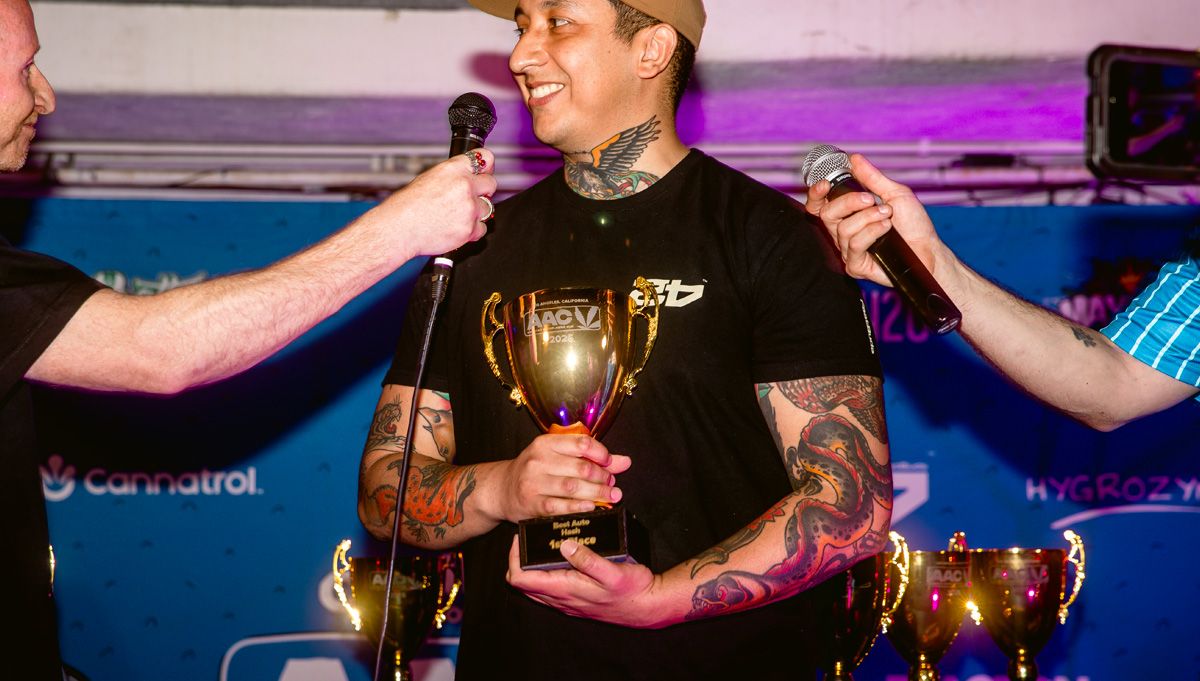
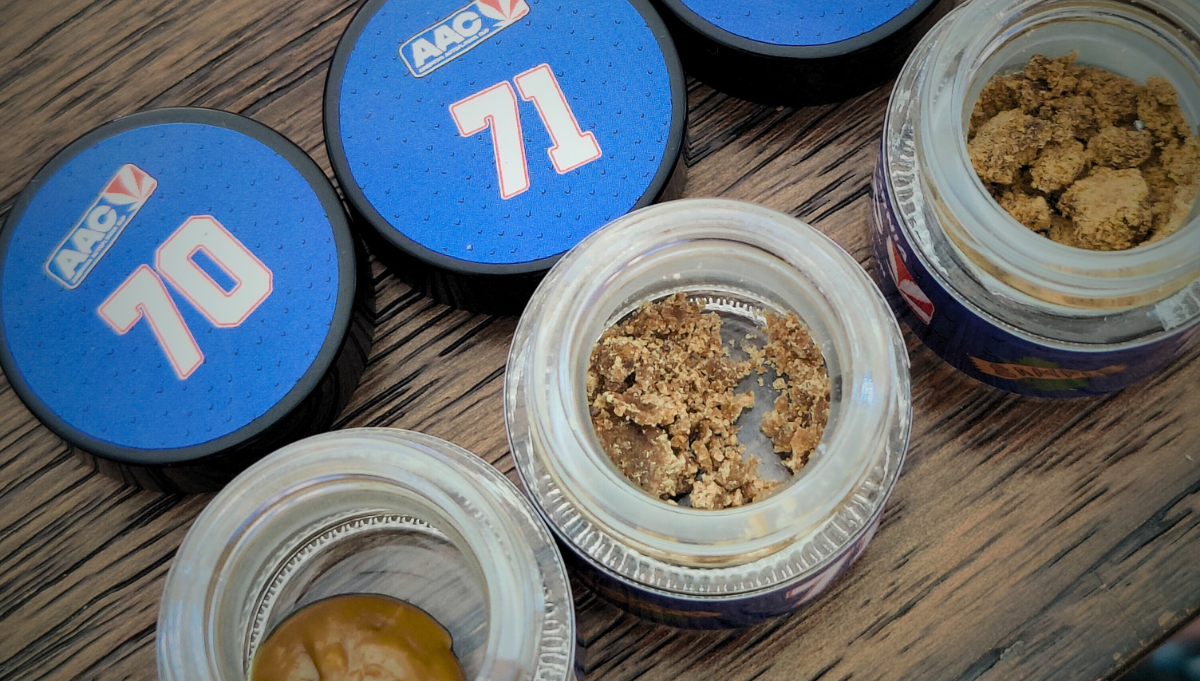
Fast Buds, who also won Best Autoflower Breeder last year, earned a rare double milestone, one in breeding, one in extraction. The Orange Sherbet win showed resin behavior worthy of serious attention: well-defined trichomes, pleasing consistency, and terpene expression that held up through the process.
For many, that was the moment autoflower hash officially entered the conversation.
Hash From Autos vs. Photos: How the Comparison Has Changed
Photoperiod cultivars still dominate the highest tiers of solventless extraction. Their longer life cycles often allow for more time to develop mature resin heads with ideal size, shape, and internal oil composition. Autos, traditionally, struggled there - speed was their strength, but speed often came at the cost of resin predictability.
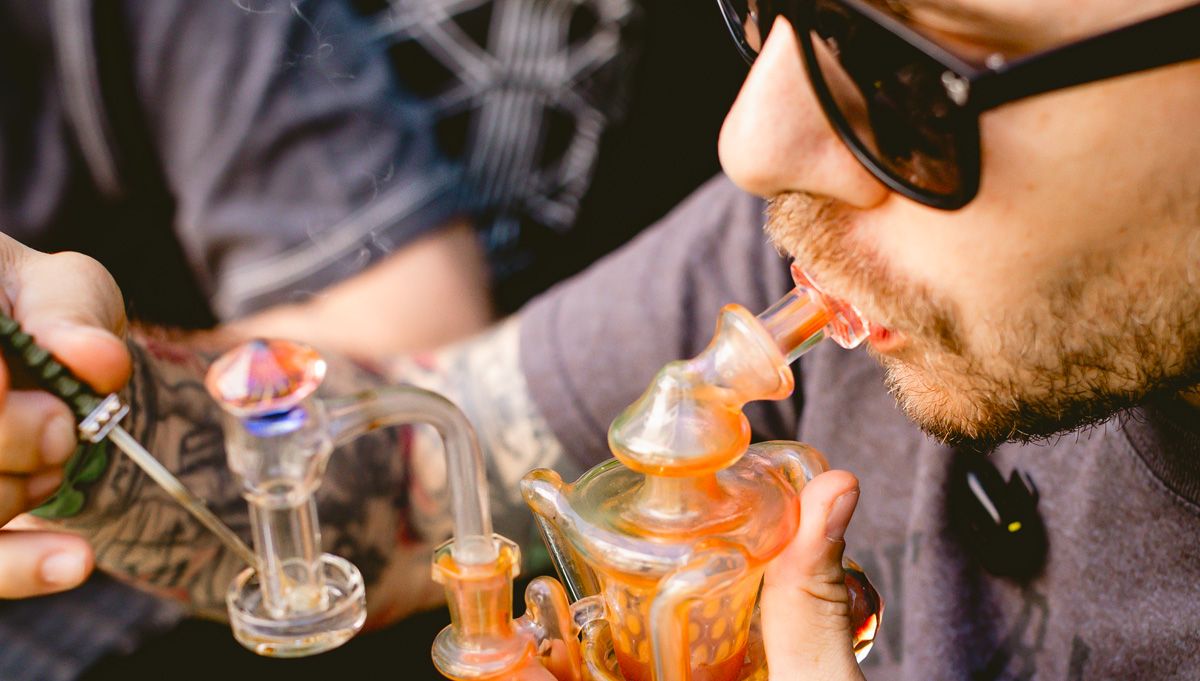
But new autoflower lines are narrowing that gap. Breeders are selecting for:
• better trichome density
• improved glandular head size
• stronger cuticle walls
• terpene preservation
• washability and stability
And hashmakers are learning how to handle autos with different harvest windows, freeze timing, and washing techniques. What was once an imbalance is turning into an emerging specialty: microbatch, small-run, high-terp autoflower hash with distinct character.
The industry is beginning to ask serious questions:
If autoflowers keep evolving at this pace… could they become a new frontier in extraction?
As Jenn Doe returns to the American Autoflower Cup, this adds a level of credibility that speaks for itself.

As a multiple-award-winning hashmaker with one of the sharpest palates in the solventless world, she brings the kind of insight that can only come from years of hands-on craft. Her presence confirms that the Auto Hash category isn’t a novelty or filler but it’s an emerging podium in its own right, standing shoulder-to-shoulder with flower.
2026: A Year to Watch
The American Autoflower Cup 2026 aims to capture this shift in real time. With more hashmakers experimenting with autoflowers, more breeders designing genetics specifically with resin in mind, and more cultivators recognizing autos as a high-efficiency, full-artistic-expression platform, the stage is set for another leap.
Will autos redefine solventless culture?
Will 2026 deliver another breakout hash entry like Orange Sherbet?
And will more breeders begin designing genetics specifically optimized for hashmaking?
Those are the conversations already circulating across the U.S. and they will come to a head in Los Angeles on January 31.
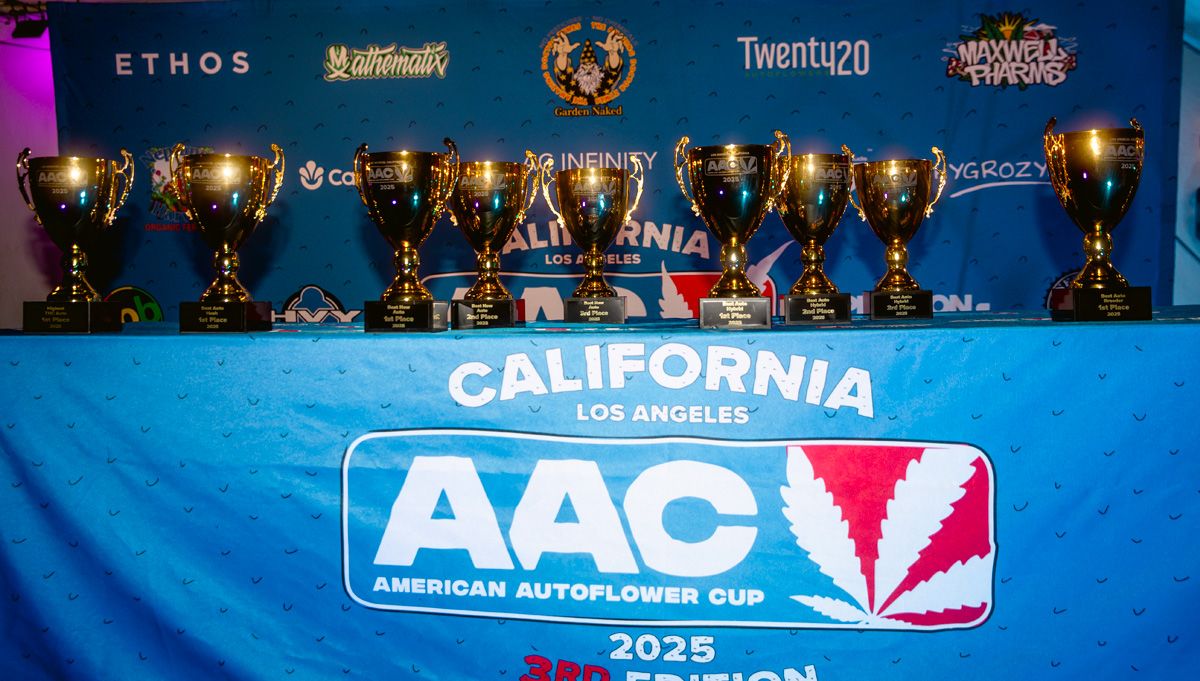
One thing is clear: autoflowers are no longer chasing photoperiods. They’re carving out their own lane. And hash might be the next frontier where they surprise us all.
If you’ve been waiting for the right moment to jump in, this is it. Submit your best work and show up on January 31 to stand with the growers, breeders, and creators shaping the future of autoflowers.
Eventbrite tickets are available here and the competition registration is open on our website.

Comments