

Why Cannabis Cup Entries Fail Before Judging
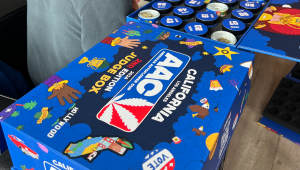
Plenty of good flower never makes it to the American Autoflower Cup. Growers picture a lab rejecting a sample for mold or pesticides. That is not what happens. The entries that fall short lose on something far more ordinary: how the sample is delivered, how it is packed, and whether it reaches the table in a form the judges can score.
The lab will not fail you for contaminants
The fear of a failed lab test comes from how dispensaries work, where a safety panel checks for pesticides, mold, and heavy metals before a product can be sold. The cup lab is a different thing. Your entry fee covers a cannabinoid reading that records THC and CBD and feeds the Highest THC category. There is no contaminant limit that pulls a sample, and no pass-or-fail safety gate.
That is not a free pass for dirty flower. Mold, pests, and disease still cost you, further down the line and on a different scorecard. The blind panel marks appearance down hard for anything that looks sick or badly handled, so a contaminated jar loses on the table instead of at the lab. Either way, the fix is the same: grow clean, because the judges can see it.
Mailing the sample
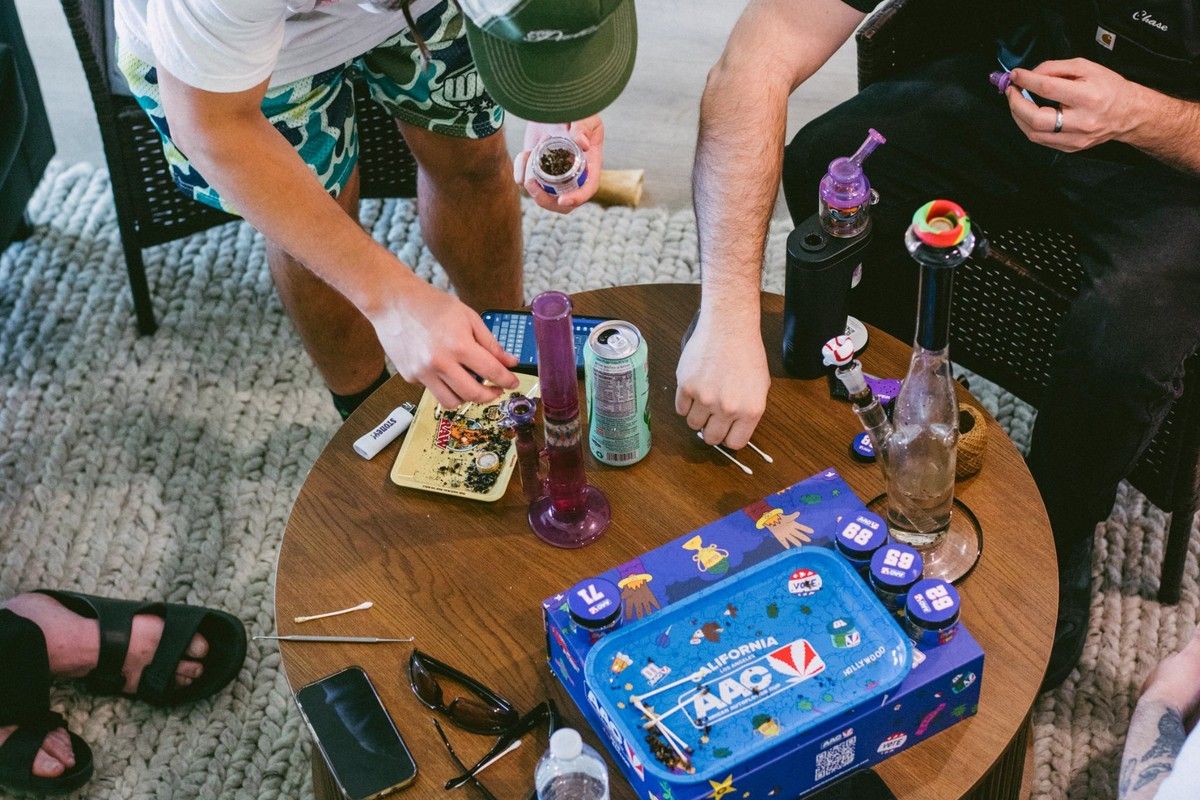
The clearest disqualification has nothing to do with quality. The rules require samples to be handed over in person, by you or a representative, at the pre-event intake in Hollywood on January 23, and noncompliance with any competition rule means immediate disqualification. A mailed sample is not an in-person delivery. Growers outside driving distance plan a trip or send someone, because the ones who assume shipping is fine lose the entry before it is ever judged
The full entry walkthrough covers the drop-off step by step for anyone planning the trip. Hand delivery is the only route the cup accepts.
Missing one of the two dates
Registration and delivery are separate deadlines, and both are firm.
Registration closes January 22, 2027, and you hand over the physical sample in person the next day, January 23. Miss the registration window and you have nothing to deliver. Clear registration but miss the in-person intake, and the sample sits uncollected. The two dates sit right next to each other, which catches growers who treat them as one, so put both in your calendar the week you decide to enter.
Getting the sample spec wrong
The organizers set exact amounts, and an entry that arrives short or in the wrong format cannot be judged fairly against the rest of the field. Flower runs 16 individual portions of roughly one gram, 16 in total. Hash runs five grams, split into half-gram portions. Combine portions to save time or underfill the jars, and the panel has to set your entry aside. Weigh and portion each sample before you pack, not at the door.
Packing the jars like your own stash
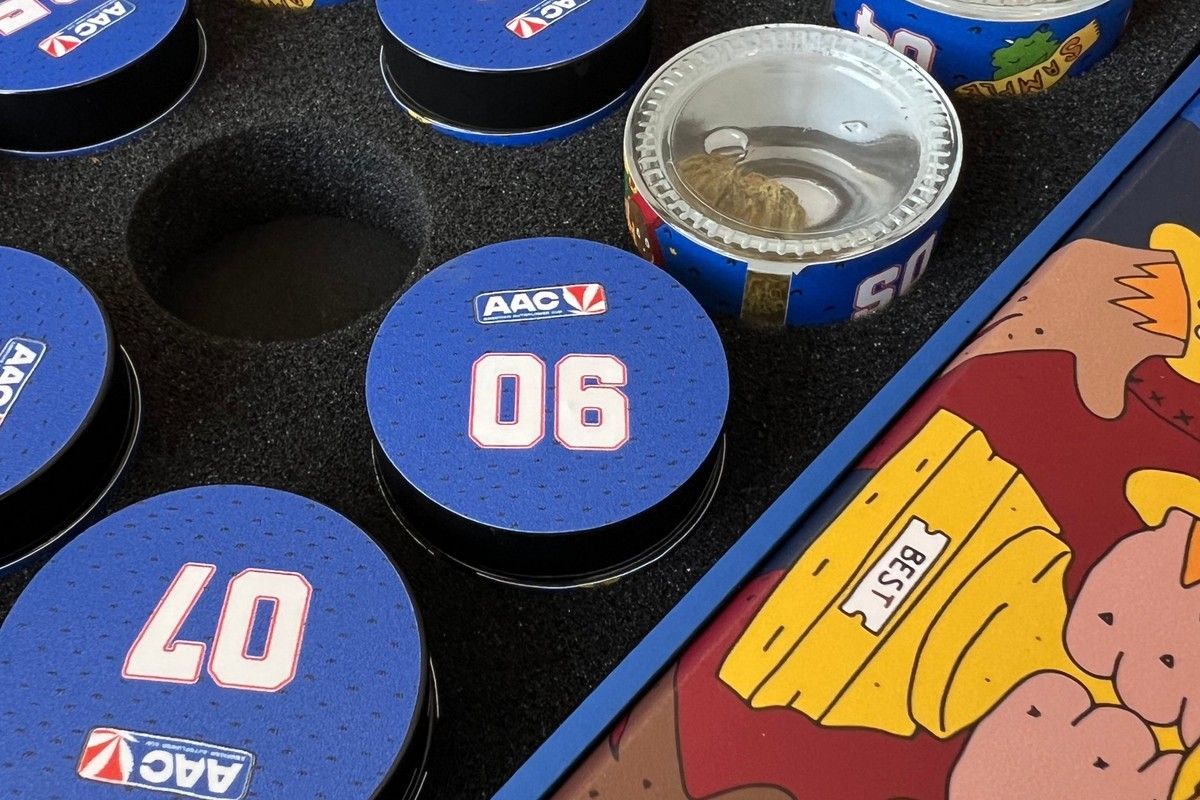
Blind judging only works if every jar looks identical, which is what the packaging rules protect. Each portion goes into the jars the organizers require, with no stickers or labels on the jars or their lids, because the organizers add their own coding. All the jars go into one master container marked with the identification number emailed to you at registration. A grower who writes the strain name on a lid, or swaps in nicer glass, breaks the blind and risks having the entry pulled. Whatever you hand over is what gets judged, so pack it to spec and keep your branding off it.
When the flower itself is the problem
Once the paperwork's handled, it's all about the grow, and a weak entry only bleeds points, not your whole shot. An under-ripe harvest, a rushed cure, a sloppy trim: the blind panel clocks every one, and your name can't bail you out, because entries show up as nothing but a number. That's the scoring system's turf. The jar that takes it is almost always the cleanest, best-cured flower in the room. Not the fattest.
What fails and how to avoid it
| What goes wrong | What it costs you | How to avoid it |
|---|---|---|
| Mailing the sample | Automatic disqualification | Deliver in person, by you or a representative |
| Missing registration or delivery day | No valid entry to judge | Calendar both dates the week you enter |
| Short or wrong sample amount | Entry cannot be scored fairly | Weigh and portion to spec before packing |
| Labeling or repacking the jars | Breaks blind judging, entry pulled | Use the required jars, add no stickers or names |
| Under-ripe or badly cured flower | Low panel score across the board | Enter the best-cured jar, not the largest |
Almost everything that sinks an entry sits upstream of the judging, which is the part you control completely. The scoring comes down to a judge's palate and a little luck. The logistics come down to you, and the terms disqualify noncompliance on the spot, so one missed step can undo a season's work that a careful checklist would have protected for nothing.
Treat the entry rules like the final week of the grow, and your flower reaches the table exactly as you grew it
Register for the American Autoflower Cup 2027 and give your best autoflower a fair run at the table.

Comments